
Review of RestFest Film Festival: "Wandering From Bed"
Art Writer & Artist, Michaela Razafima. Nash, offers a poetic review of the current RestFest Film Festival.

I am very excited to bring you this gorgeous text written by Irish & French-Malagasy artist & art writer Michaela Razafima. Nash.
‘Wandering From Bed: A Review Of RestFest Film Festival’
Michaela Razafima. Nash
Black-and-white creases in bedsheets. Soft light leaking through a window. In the centre of the frame, a figure lies on a bed, staring directly into the camera. They are the focus of ‘Resting Place’ (Inside / Outside) by Brittney Appleby, a video work from this year’s RestFest Film Festival. Their gaze pulls the viewer into the bed space, rupturing the isolation of being bed bound. What is usually hidden becomes visible: the intimacy of illness, the loneliness of stillness, the endurance of waiting.
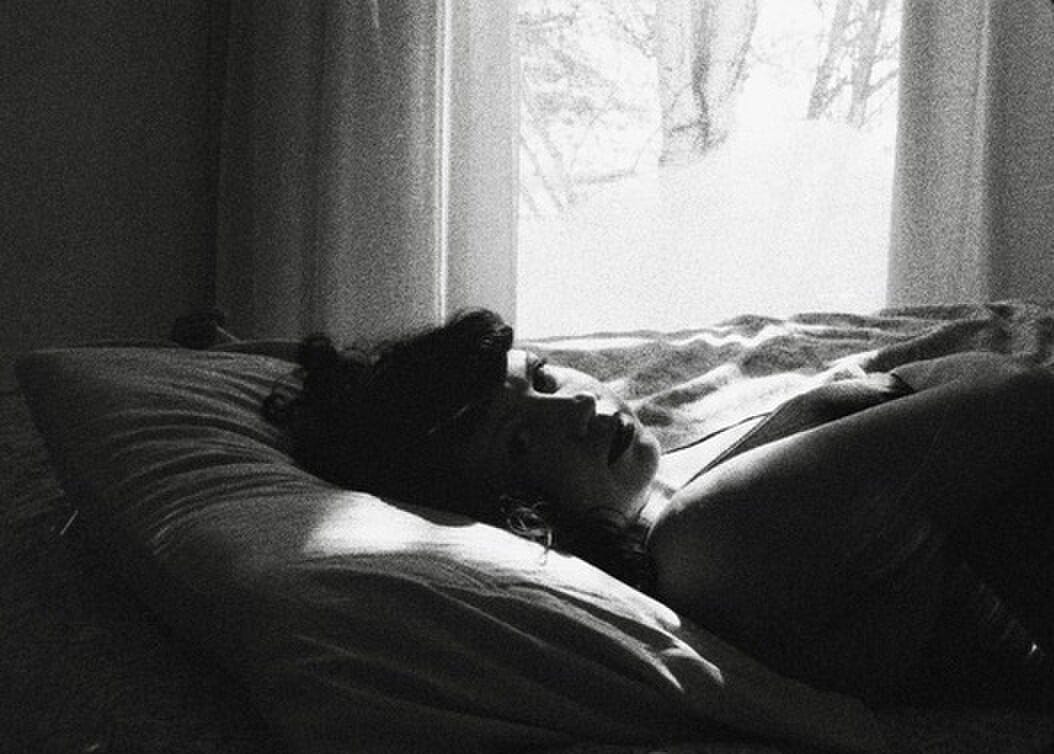
The stillness of the figure doesn’t suggest calm or recovery, but aftermath. The many layers of double exposure in ‘Resting Place’ references the repetitive nature of living with chronic illness, the cycle of exertion, collapse and rest. This image of the sick body breaking through the screen typifies the atmosphere of this year’s RestFest Film festival, the significance of crip spectatorship. Which reframes watching as shaped by the lived experience of disability. In this mode of spectatorship, films are watched across pauses, rest, and return due to pain, fatigue or sensory overload.
RestFest Film Festival is an online platform that presents 27 films and video artworks by disabled, deaf, chronically ill, neurodivergent, and/or mad artists. The programme is not confined to disability as subject matter, but instead offers a breadth of lived experience — love stories, documentaries, interviews, experimental animation, reverie, humour, grief. The films are organised into thematic collections: Rumbling, Inside / Outside, Mid-Air / Suspended, Spaces / Routes, and Reverberation / Held. Some works last only 50 seconds; others stretch to 30 minutes, each collection lasts roughly 1hr in total. All are attentive to different capacities for attention, energy, and rest. The films offer detailed video descriptions and captions, they can be watched at a personal pace and descriptions often emphasise the priority of the viewer’s comfort.
I’m writing from bed, from the perspective of living with moderate Long COVID. Post-exertional malaise, a core symptom of Long COVID/M.E/CFS operates on a delay. It sets in after exertion has passed, creating the illusion of capacity. My limbs drain of energy and my mind is filled with warm pain. I lie half-awake in the dark. My mind is too sharp with pain and exhaustion to fall asleep. A friend, also living with Long COVID/ M.E/CFS, tells me she wanders places she’s been in her mind when she’s bed bound.
I try walking familiar streets of Dublin in my mind, somewhere I haven’t been in years and miss strongly. Dublin reappears to me in fragments, the road under the railway bridge, the sound of traffic lights beeping, the salt and seagulls of the nearby sea.These interior journeys become a way of being in the world when the body refuses entry.
Films encountered from the sick bed invite this kind of wandering. Through crip spectatorship, the viewer becomes a mental flâneur, drifting through moving images, memory, imagination and time rather than physical streets. Across the 27 films and video works in RestFest Film Festival, the many themes allow the viewer to wander between different works—collecting fragments, atmospheres, and partial realities rather than following a linear path.
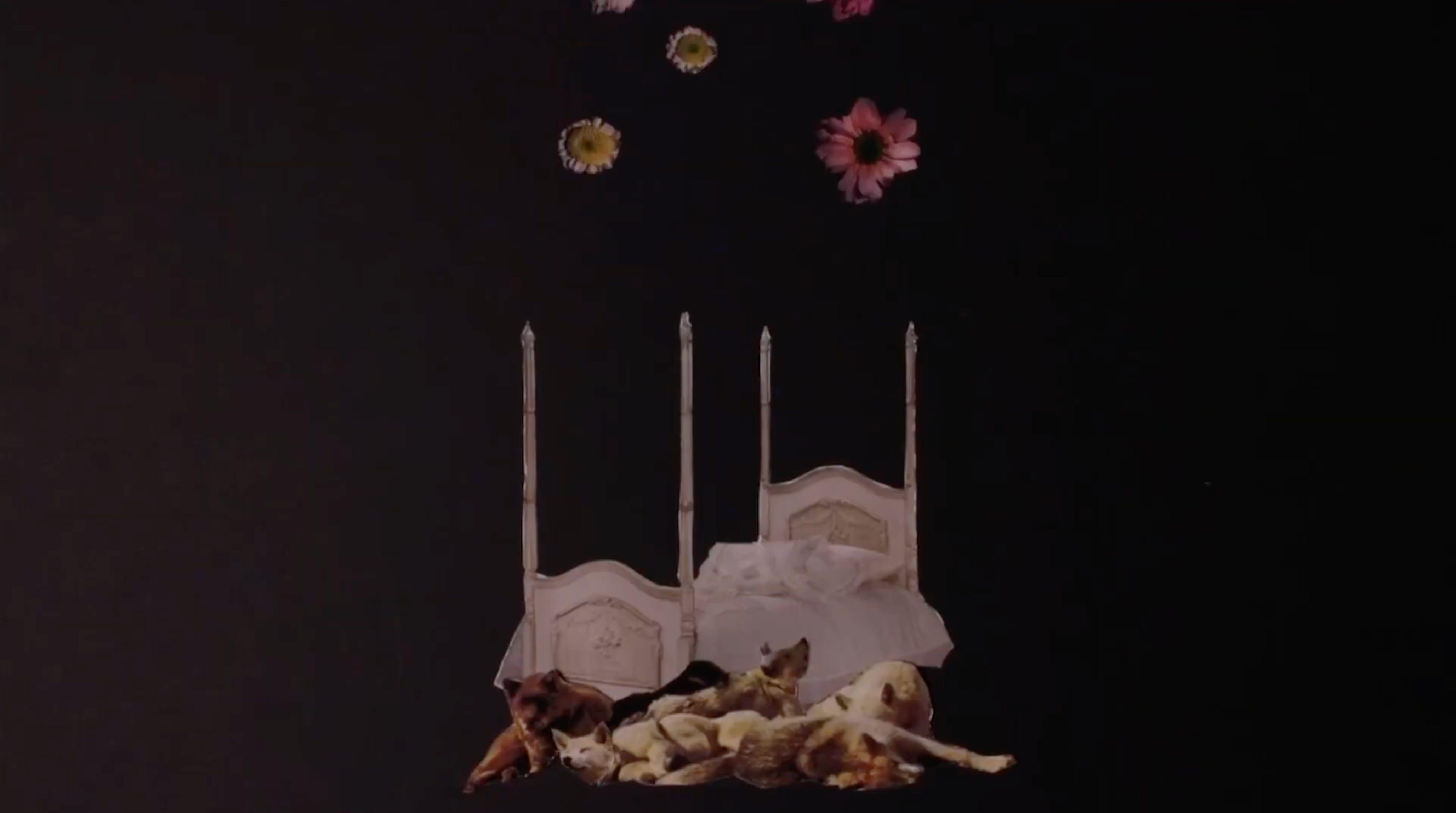
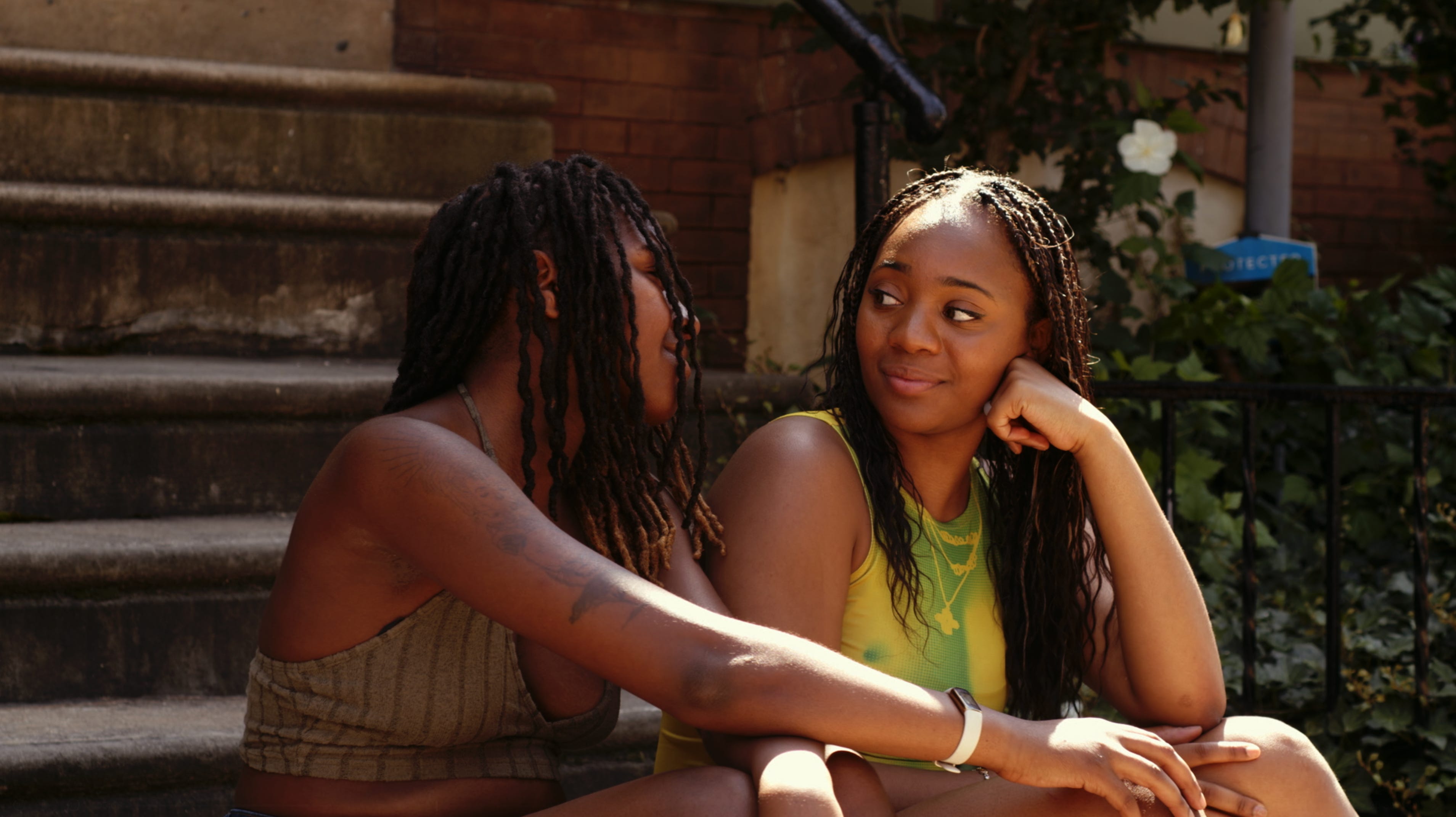
Cinema offers a way to inhabit movement without moving, allowing the mental flâneur to roam through borrowed spaces. Such as a forest filled with mirrors in ‘This Werewolf Complex’ (Inside/Outside), a film exploring migraine auras or the sun-dappled streets of ‘Be Back By 3’(Mid-air/Suspended) a Black queer love story. The films and video works are situated all around the world; London to Taipei, Scotland to the U.S.
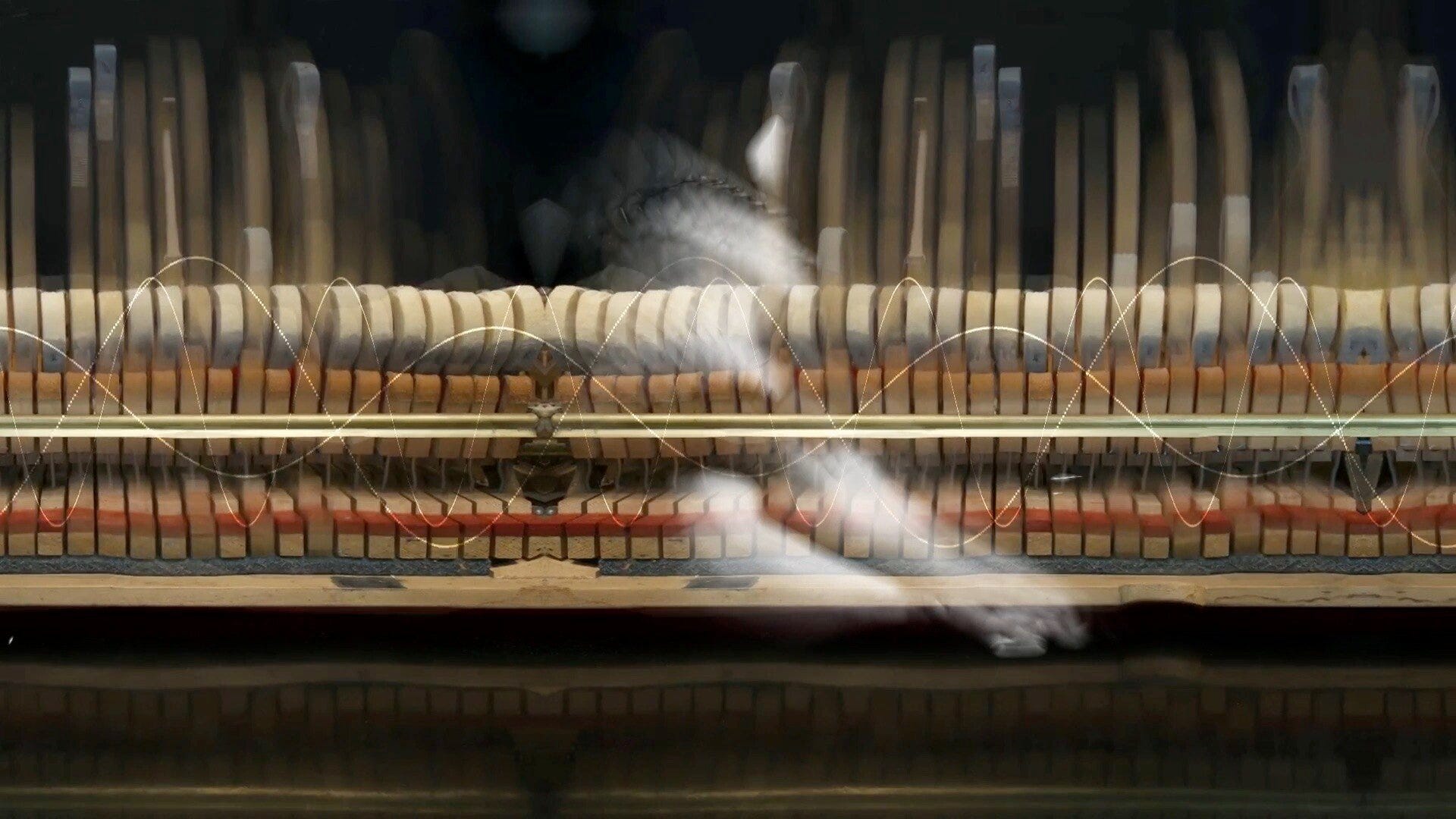
Many of the films and video works use double exposure to create layered fragments within the work.In ‘Song Without Words’ (Rumbling), Olivia Ting redefines listening as a gestural, embodied, and interpretive act. The film is grounded in her experience of learning to play piano as a deaf child. It consists of two movements structured like musical compositions, layering visual, sonic, and textual elements as “chords of perception.” Throughout the film, a figure playing piano and another signing ASL overlay clips of a piano as it’s played. This use of double exposure poetically references Ting’s interconnection between feeling and hearing.
Some of the films take on more abstract explorations, as in ‘Rio’ (Rumbling) a video piece exploring interplays of light on a river bed, tiny insects floating on the water’s surface become another kind of double exposure, depicting life above and below the water’s surface.
RestFest Film Festival understands care as networked and reciprocal rather than individualized. Networks of care — as Leah Lakshmi Piepzna-Samarasinha writes — are forms of survival. Which positions RestFest Film festival as a communal infrastructure, allowing disabled viewers to come together during the month-long festival and throughout the year when the festival operates online events.
RestFest Film festival operates a broad programme of virtual events and workshops, ranging from visual poetry to analogue filmmaking. Most in line with the festival’s ethos is the first of its online events, a collective film making workshop giving space to processing grief from the ongoing COVID-19 pandemic.
As the narrator of ‘of my body’ (Reverberation/Held) repeats, ‘how are you preparing a place for the transformative mess of grief?’, the online workshop creates a space for the transformative mess of grief work. Collectively building a film from fragments, grief is revealed as a shared condition in the ongoing pandemic. The final film will exhibit the collective experience of grief at the end of the festival.
RestFest Film Festival exists in a cultural moment where access has been quietly withdrawn, despite having been proven possible. From the sickbed, crip spectatorship becomes a form of flânerie, and film becomes a site where movement, intimacy, and community are redistributed. In refusing productivity, and endurance as necessities for participation, the festival accommodates disabled viewers and imagines a different future, one built from rest, reciprocity, and shared dreaming. Online spaces like RestFest Film Festival allow these futures to be rehearsed from bed.
About the Writer:
Michaela Razafima. Nash is an artist and art writer based in south Down, Northern Ireland. She is Irish and French-Malagasy. Her writing takes on hybrid forms of art criticism. While her artwork is multidisciplinary, spanning painting, photography and video installation. She has produced texts for Catalyst Arts, Belfast and IMMA, Dublin. She has exhibited across Ireland at CCA Derry, Pallas Projects Dublin and 126 Gallery Galway. She lives with Long COVID/ M.E/Chronic fatigue syndrome and has experienced episodes of nerve pain for 10 years. michaelarazafimanash.com
RestFest Film Festival 2026: February 1 - 28
There is still lots of time to enjoy the festival!
Stream 27 Films. Attend 18 Virtual Events. Entirely from Bed.